Charlie Mickel | The Years Before the Olympics
The hardest part of becoming an Olympian isn't making the Olympic team.
It's making a decision years earlier to build your life around a goal with no guarantee you'll ever get there.
Millions of people watch the Winter Olympics. What they rarely see are the years that make those moments possible. The early mornings. The small decisions. The commitment that slowly becomes a way of life long before anyone is paying attention.
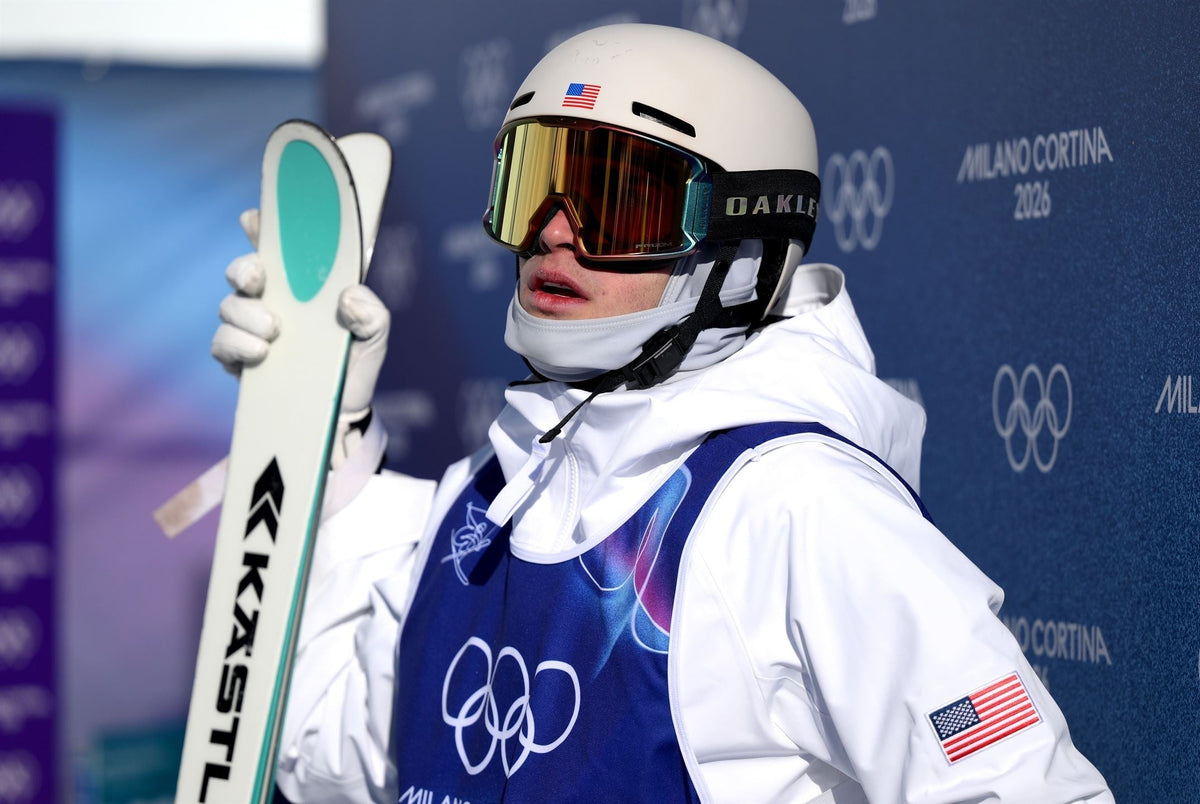
This year, Durango native Charlie Mickel earned a spot on the U.S. Olympic Team. Reaching that moment was the result of years spent pursuing a goal that first took shape when he was nine years old.
Like many kids growing up in southwest Colorado, Charlie spent his childhood outside. Winters were spent skiing. Summers were filled with bikes, rivers, and days well spent exploring the mountains. At first, skiing wasn't about chasing the Olympics. It was simply something he loved to do.
That changed when he watched the 2014 Winter Olympics.
"I think skiing was something I wanted to chase from the beginning," Charlie says. "Most notably though was when I was 9 years old watching the 2014 Winter Olympics in Sochi."
Watching the Olympics gave Charlie's love of skiing a direction. What had begun as a childhood passion became something he wanted to dedicate himself to.
That decision eventually led him to leave Durango and move to Utah to pursue skiing full time. There was no guarantee it would work out, only the belief that the opportunity was worth chasing.
Looking back, it's easy to connect that decision to where Charlie is today. At the time, it was simply the first of thousands of decisions that would follow.
Choosing the path was one thing. Choosing it again every day was another.
Years later, those ordinary decisions became the moments everyone else remembers.
Most people remember the competitions, the podiums, and eventually making the Olympic team. Charlie remembers everything that came before them.
The endless training sessions. The long travel days. The routines repeated so many times they eventually became ordinary.
"People don't see the lifestyle it takes," he says. "They don't see the nonstop training. The things I sacrifice on a weekly basis to continue to progress. The constant travel with exhausting 40-hour travel days into stressful competitions."
For Charlie, those realities aren't separate from skiing. They're simply what pursuing excellence looks like. Like many worthwhile pursuits, the difficult parts aren't obstacles standing in the way. They're part of the path itself.
The challenge wasn't simply the physical demands of skiing. It was continuing to show up without allowing results to define the process.
"There have been many times I've questioned whether it's what I want to do," Charlie says. "What's gotten me through it is focusing on the joy of skiing and competing and completely separating my process from outcomes."
That same mindset shaped the way Charlie defines success.
When I asked him about the biggest turning point in his career, he didn't point to making the Olympic team. Instead, he pointed to winning the 2024 NorAm Tour because of what the experience taught him.
"In the process of battling it out for the win I learned things about myself that changed the way I've trained and competed since then."
The lessons from that season stayed with him. They reshaped the way he trained, competed, and measured success.
Qualifying for the Olympics didn't replace that mindset. It simply expanded what he believed was possible.
"I think making the Olympics mainly shifted the goal posts," he says. "For a long time I've appreciated the gratification that comes with success, but the Olympics showed me there's another level that's possible."
Even as his goals continue to evolve, the reason Charlie skis hasn't changed.
"Durango was an incredible place to grow up," he says. "The joy of paddling in the river and riding my bike taught me to embrace the joy of skiing and helped me focus on doing it more so for the love of the game than for specific outcomes."
Success may have changed where skiing has taken Charlie, but it hasn't changed why he started.
Toward the end of our conversation, I asked Charlie what Find your line. Make it matter. meant to him.
"Finding your own line means doing what you truly believe is best, regardless of what other people interpret it as. I think as people we often conform to what we see as normal, and fold on our commitments when we see others do the same."
"And making it matter means actually following through with it."
Listening to Charlie answer, it became clear he wasn't just describing a philosophy. He was describing the path that brought him to the Olympics.
It's also the advice he gives to younger athletes.
"Unfortunately progress isn't a linear path, but if you continue to pursue what you truly believe is best, and hold strong to your commitments, progress is inevitable."
Charlie has already accomplished something very few athletes ever will. Listening to him talk, though, it becomes clear that qualifying for the Olympics hasn't changed the way he sees himself. If anything, it has only reinforced his belief that there is still more to accomplish.
"I'm very hungry to accomplish more," he says. "I am proud of my accomplishments, but I believe I am capable of a lot more than what I have done. I hope I am merely at the beginning of my professional journey."
Long before Charlie became an Olympian, he had already done the hardest part.
He committed to a goal without knowing where it would lead, then kept making that same decision every day that followed.
The Olympic team wasn't what defined his path.
It was simply where that path has led so far.
That's Charlie's Wildline so far.
Find your line. Make it matter.